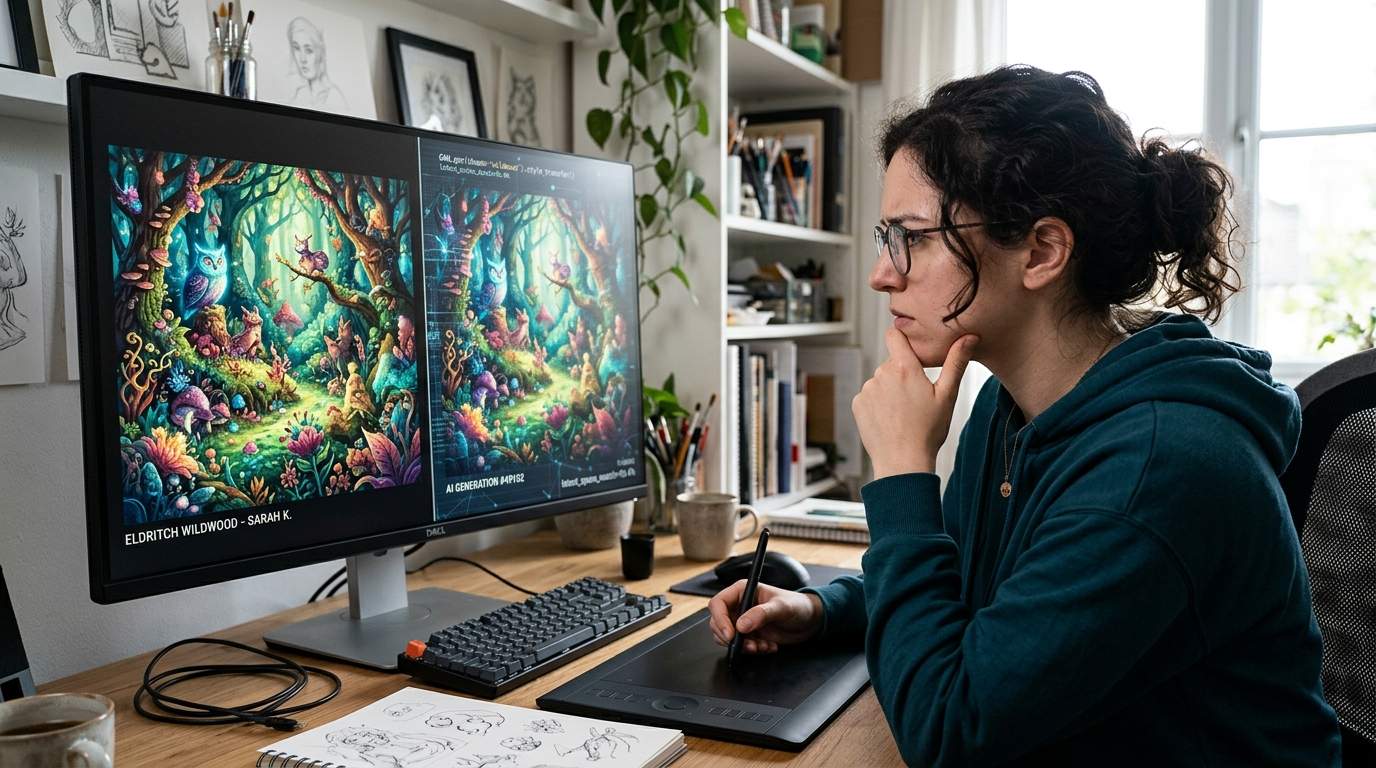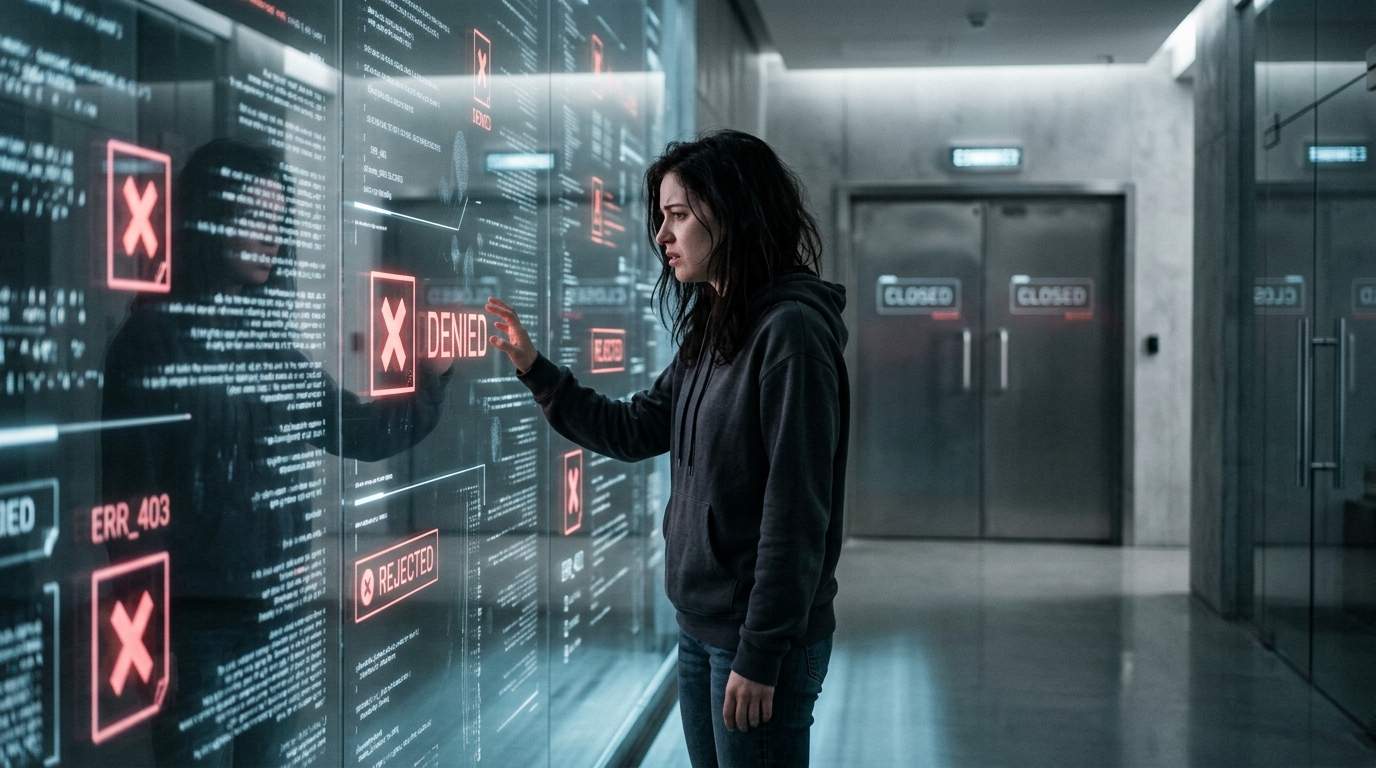
The digital canvas, once a vibrant marketplace of unique expressions, is increasingly resembling a ghost town for many independent artists. Consider the plight of an independent illustrator, a master of their craft, who discovers their distinctive works have been ingested, without permission, into the vast datasets of a popular text-to-image AI model. Now, the market is awash with AI-generated images that mimic their signature style, often available for pennies or even free, directly eroding their client base and threatening their very livelihood. This is not an isolated incident but a pervasive challenge that forces us to confront a uncomfortable truth: the revolutionary promise of "free" generative AI may come at an immeasurable cost to the human spirit of creation.
E.g. :Think Your Phone Is Slow? Unmasking the Upgrade Illusion.
- 1、The Echo Chamber of 'Fair Use': Generative AI and Copyright
- 2、Devaluing Originality: The Economic Shockwave on Creative Economy
- 3、The Data Paradox: Who Feeds the AI and Who Benefits?
- 4、Defining 'Creation' and Ownership in the Algorithmic Age
- 5、Navigating the Digital Crossroads: Preserving Human Ingenuity
The Echo Chamber of 'Fair Use': Generative AI and Copyright
Technology giants and AI developers frequently champion the notion that the pervasive scraping and learning from vast datasets, including copyrighted works, falls squarely within the bounds of "fair use." This perspective posits that AI models merely learn patterns, akin to human artists studying existing works, and that the resulting outputs are transformative enough to be considered new creations, thereby democratizing creativity on an unprecedented scale. They argue this ingestion is a necessary, albeit collateral, step toward unlocking immense societal productivity gains and advancing the technological frontier. However, this interpretation often clashes with the traditional legal understanding of copyright, which safeguards creators' exclusive rights to reproduce, distribute, and create derivative works from their originals, especially when the "transformative" use directly competes with and devalues the source material.
Devaluing Originality: The Economic Shockwave on Creative Economy
The influx of effortlessly generated, low-cost, or even free synthetic media has sent shockwaves through the creative economy, fundamentally disrupting established market mechanisms. When AI can produce high-quality, style-specific content at a fraction of the time and cost of human labor, the perceived market value of individual intellectual and artistic effort plummets. This creates an unsustainable environment where creators struggle to command fair prices for their unique skills and original contributions, leading to a significant devaluation of genuine artistry and the intellectual property it represents.
The Erosion of Creator Livelihoods
For many, this isn't just an abstract economic shift; it's a direct threat to their ability to earn a living. The independent illustrator, once a sought-after professional, now finds their commissions drying up as clients opt for cheaper, AI-generated alternatives. This economic pressure extends beyond illustrators to writers, musicians, and designers, whose unique styles and accumulated expertise, built over years, are repurposed as anonymous "data fodder" for models that then compete directly against them. The crisis forces a difficult question: if the engines of creativity are starved, what becomes of human ingenuity?
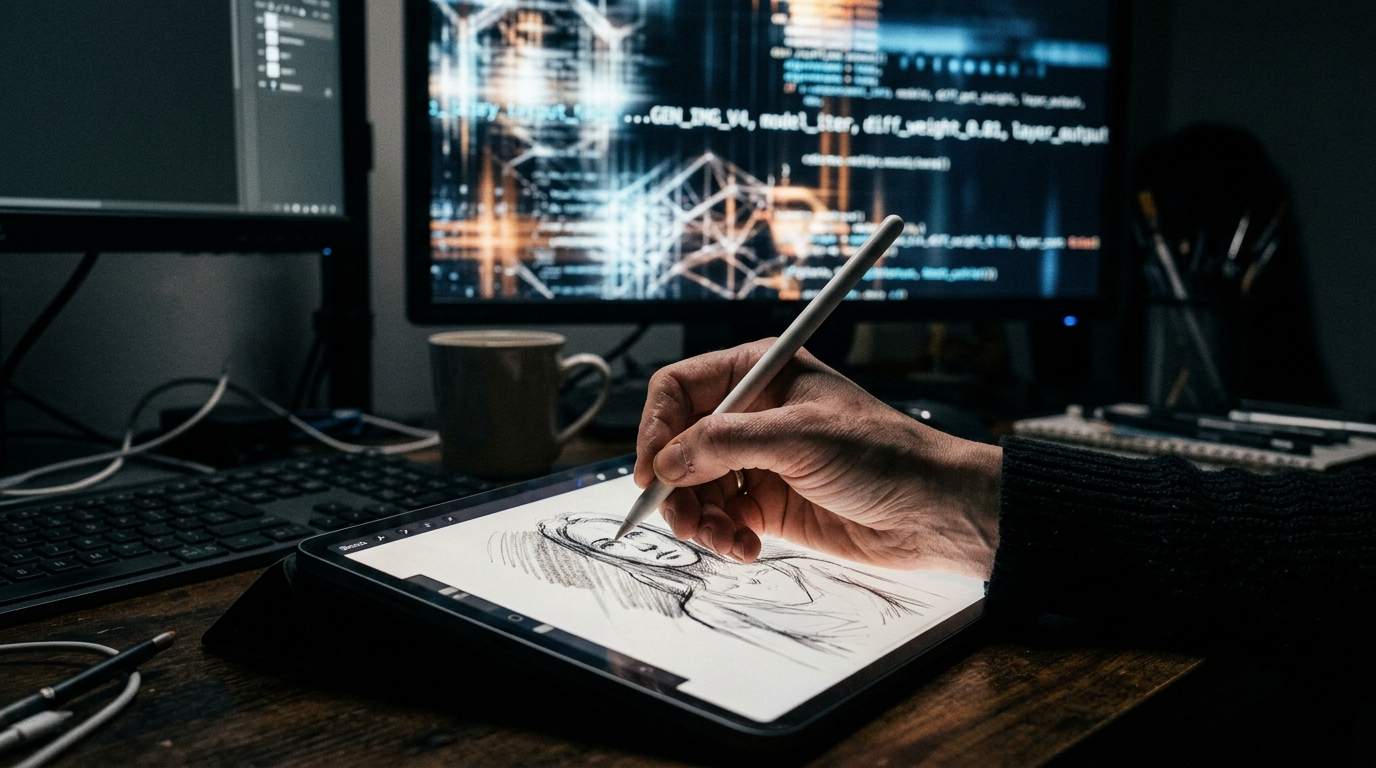
The Data Paradox: Who Feeds the AI and Who Benefits?
At the heart of generative AI's capabilities lies its insatiable appetite for data, much of which is the result of human intellectual labor. These vast training datasets, comprising billions of images, texts, and audio files, are the unseen engines powering AI's "creativity." The ethical quandary arises when these copyrighted works are acquired and utilized without explicit consent or compensation to the original creators, effectively transforming their lifetime of work into free "fuel" for commercial AI ventures. This creates a profound ethical dilemma regarding the source and ownership of "raw materials" for AI development, particularly when the beneficiaries are global corporations, and the uncompensated contributors are individual artists.
The Asymmetrical Value Exchange
The economic model underpinning much of generative AI development reveals a deeply asymmetrical value exchange. AI developers reap enormous commercial benefits from models trained on data whose creation involved immense human effort and investment. Yet, the original creators of that data receive no compensation, no attribution, and frequently face direct market competition from the very AI they inadvertently trained. This systemic imbalance undermines the fundamental principles of fair compensation and intellectual property rights, fostering an environment where technological "progress" is built on the silent, unacknowledged exploitation of human ingenuity.
Defining 'Creation' and Ownership in the Algorithmic Age
The rise of synthetic media compels us to critically re-evaluate our traditional definitions of "creation" and "ownership." If an AI can generate a novel image, poem, or musical piece, does that constitute true creation in the human sense? And if so, to whom does the ownership of that output belong—the AI developer, the user who prompted it, or perhaps the myriad of uncredited artists whose work contributed to its training? These questions challenge centuries-old legal and philosophical frameworks, demanding a nuanced understanding of artistic intent, originality, and the very essence of intellectual contribution in a world where algorithms can mimic, synthesize, and generate at unprecedented scales. The intersection of generative AI and intellectual property demands innovative solutions that balance technological advancement with the imperative to protect human creative endeavors.
Navigating the Digital Crossroads: Preserving Human Ingenuity
Addressing the complex ethical and economic challenges posed by generative AI requires a multi-faceted approach. This includes exploring new legal frameworks that redefine "fair use" in the context of large-scale data ingestion, developing transparent compensation models for creators whose work is used in training data, and fostering ethical AI development practices that prioritize creator rights. Furthermore, innovative licensing models and the development of creator-centric platforms could empower artists to control how their work is used and monetized by AI. The goal must be to cultivate a future where technological innovation complements, rather than diminishes, human creative potential.
The transformation brought by generative AI is undeniable, offering powerful new tools and possibilities. However, the path forward demands a conscious effort to prevent the "free" consumption of human ingenuity from becoming a "digital shackle" around the necks of creators. Safeguarding intellectual property and fostering a sustainable creative economy are not obstacles to progress, but essential pillars for an equitable future where both humans and AI can truly thrive.