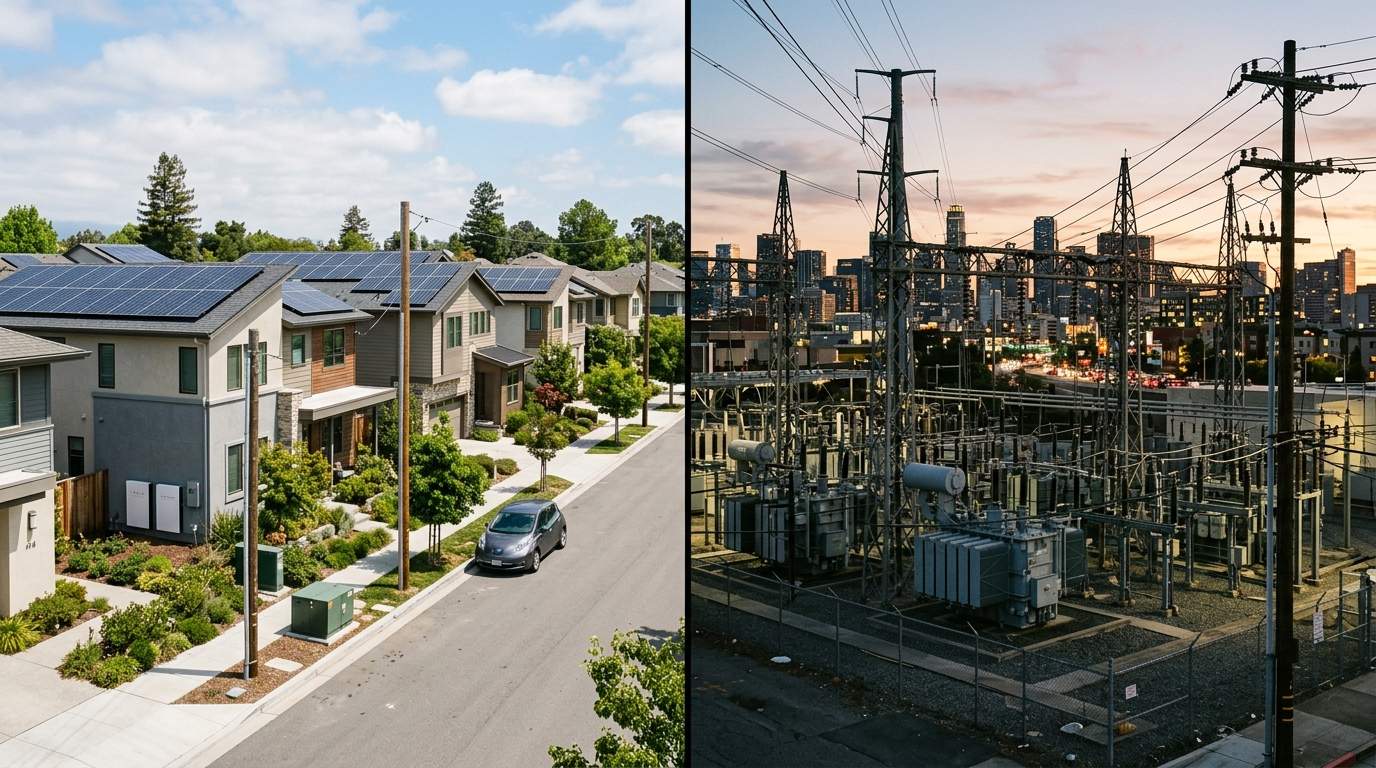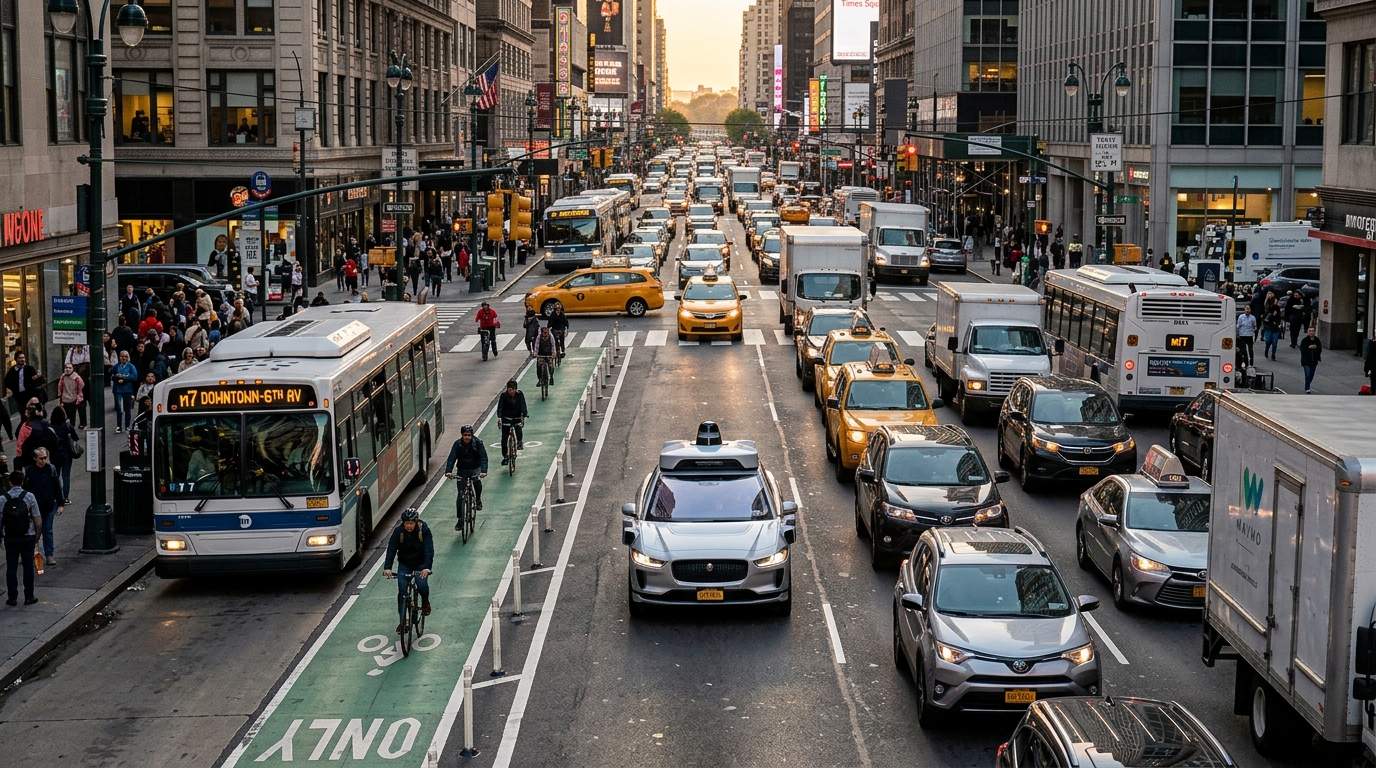
Imagine the seamless convenience of a fully autonomous taxi gliding through a bustling city, navigating traffic with superhuman precision. This vision, widely promoted, promises an era of reduced accidents, enhanced efficiency, and newfound personal freedom. Yet, this idyllic future often overshadows a critical, unresolved question: when the intricate dance of sensors, algorithms, and actuators inevitably falters, leading to a collision, who truly shoulders the burden of accountability? This cognitive dissonance – between the promise of hands-off driving and the murky reality of responsibility – represents a profound challenge society is only beginning to confront.
E.g. :The Perfect Fit Paradox: Is Your Digital Twin a Biometric Data Trap?
- 1、Navigating the Labyrinth of Autonomous Vehicle Liability
- 2、Ethical AI and the Dilemmas of Algorithmic Decisions
- 3、Data Ownership and the Unseen Value of V2X Data
- 4、The Asymmetry of Risk: Corporations vs. Consumers in Driverless Technology
Navigating the Labyrinth of Autonomous Vehicle Liability
The complexity of modern autonomous systems inherently fragments the traditional chain of liability. In a conventional accident, accountability typically rests with the human driver. However, when a Level 4 autonomous vehicle operates without human intervention, the familiar legal frameworks dissolve, creating a complex web where the car owner, the software developer, the sensor manufacturer, and the fleet operator could all plausibly bear some degree of responsibility. This ambiguity is not merely a legalistic quibble; it’s a foundational crack in the public’s trust in nascent driverless technology.
The rapid advancement towards widespread Level 4 and Level 5 autonomous vehicle deployment often prioritizes technological breakthroughs and corporate investment returns. This forward momentum, while impressive, frequently outpaces the establishment of robust, transparent, and publicly accepted legal and ethical frameworks for accountability in accident scenarios. Consumers are implicitly asked to place their faith in complex AI systems without a clear understanding of data usage, the redundancy architectures designed for safety-critical systems, or who ultimately bears financial and moral responsibility when an unforeseen "edge case" leads to harm.
The Fragmented Responsibility in Driverless Technology Failures
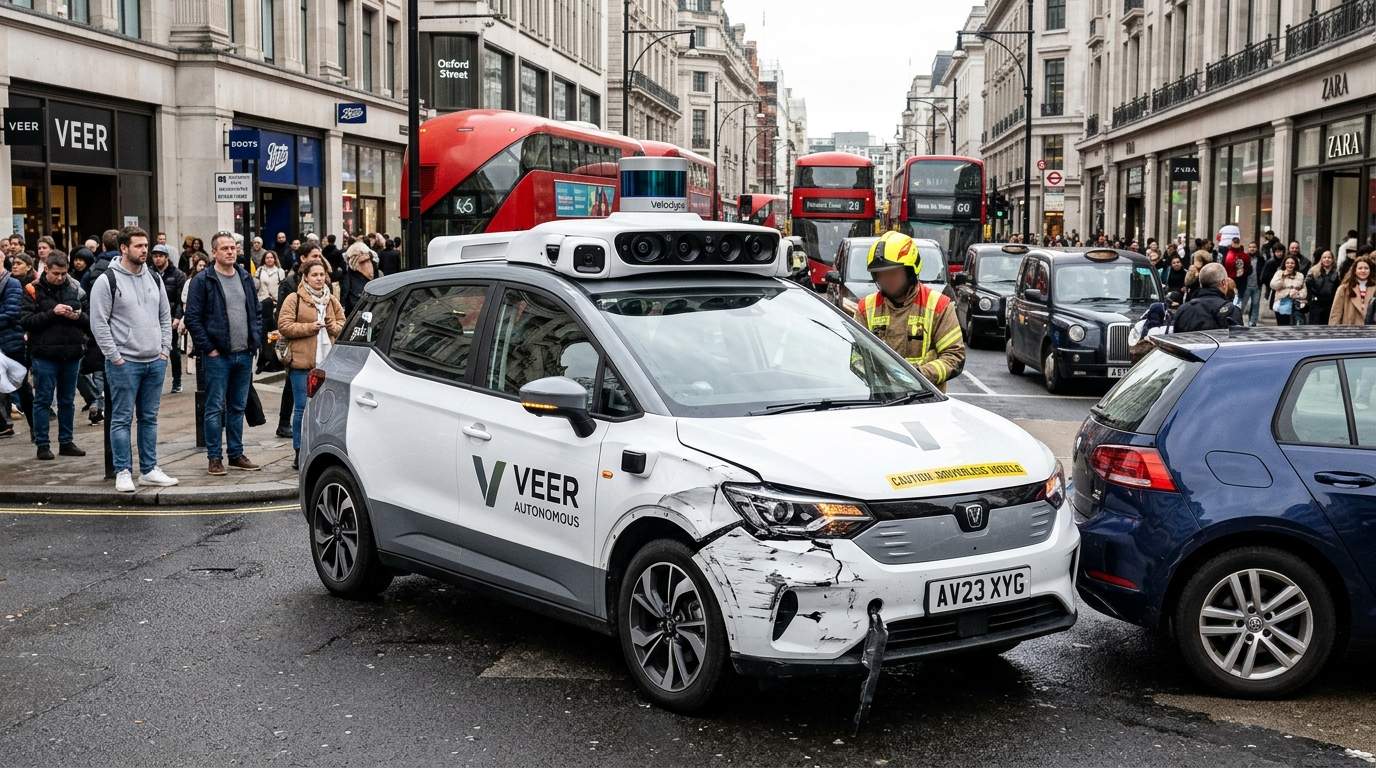
When an autonomous vehicle’s Advanced Driver-Assistance Systems (ADAS) fails to prevent a collision, identifying the root cause is rarely straightforward. Was it a software bug in the decision-making algorithm, a hardware defect in a LiDAR or radar unit, a communication error in the V2X data exchange, or a design flaw in the sensor fusion system that integrates data from multiple sources? Each component, often developed by different entities, contributes to the vehicle's overall operational integrity, making a singular blame assignment incredibly difficult.
The Role of Sensor Fusion and Redundancy Architectures in Connected Car Safety
Modern autonomous vehicles rely heavily on sensor fusion, a process where data from multiple sensor types—cameras, radar, lidar, ultrasonic—are combined to create a comprehensive and robust environmental model. A failure in any single sensor or, more critically, in the fusion algorithm itself, can lead to misinterpretations of the driving environment. Furthermore, safety-critical systems employ redundancy architectures, meaning multiple independent systems perform the same function to ensure a backup in case of failure. However, even these sophisticated designs have limitations, and their effectiveness in preventing all possible failures in complex, real-world scenarios is yet to be fully proven under diverse conditions.
Ethical AI and the Dilemmas of Algorithmic Decisions
Beyond technical failures, autonomous vehicle incidents raise profound questions about AI ethics, particularly in "trolley problem" scenarios where a collision is unavoidable and the AI must choose between two undesirable outcomes. Who programs these ethical decisions, and based on what moral philosophy? Should the vehicle prioritize the safety of its occupants, pedestrians, or the least amount of overall harm? These are not mere philosophical exercises but pressing design choices that carry immense societal and legal weight, often made behind closed doors by engineers.
Data Ownership and the Unseen Value of V2X Data
The deployment of autonomous vehicles promises not only enhanced mobility but also an unprecedented collection of V2X (Vehicle-to-Everything) data. This continuous stream of information—detailing traffic patterns, road conditions, driver behavior, and even pedestrian movements—holds immense commercial value. However, concerns over data privacy and ownership loom large. Who owns this data? How is it secured? And can it be used against a consumer in a liability dispute? The monetization of V2X data becomes a digital dividend for corporations, but without clear regulations, it can become a digital shackle for users.
The Asymmetry of Risk: Corporations vs. Consumers in Driverless Technology
Industry leaders aggressively promote the near-term feasibility and inherent safety benefits of widespread autonomous vehicle adoption, often highlighting "miles driven" as proof of their systems' robustness. This narrative, while showcasing progress, frequently conflicts with public demand for concrete, pre-defined legal accountability for AI-caused accidents, transparent ethical programming decisions, and stringent data privacy safeguards. The core asymmetry of interests lies in tech corporations and manufacturers pushing for rapid market penetration and the profitable collection of V2X data, while simultaneously resisting clear, unified global standards for liability and ethical AI. This strategic resistance effectively shifts unknown risks, economic burdens, and moral dilemmas of early adoption onto individual users, insurance companies, and an unprepared public legal system.
Ultimately, the grand promise of autonomous vehicles — a future free from human error and traffic congestion — comes with a hidden price tag. This cost isn't just financial; it's a societal bill for navigating uncharted ethical waters and establishing new paradigms of accountability. As we accelerate towards this driverless future, understanding and addressing these profound questions before widespread deployment is not merely an option, but an imperative to ensure the dividends outweigh the digital shackles for all.